Should You Defragment an SSD? What Windows Does and Why
Windows says Optimize, old advice says never defrag an SSD, and Microsoft's docs say it happens monthly. Here is how those fit together.
10 articles.
Windows says Optimize, old advice says never defrag an SSD, and Microsoft's docs say it happens monthly. Here is how those fit together.
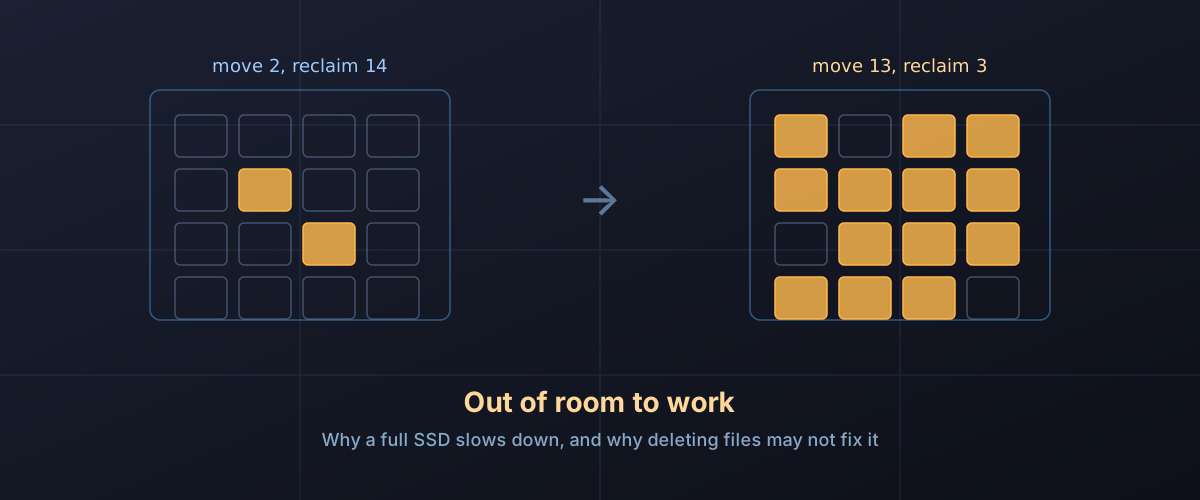
Filling an SSD does more than shrink its write cache. It makes garbage collection expensive, and that slowdown does not end when the copy does.
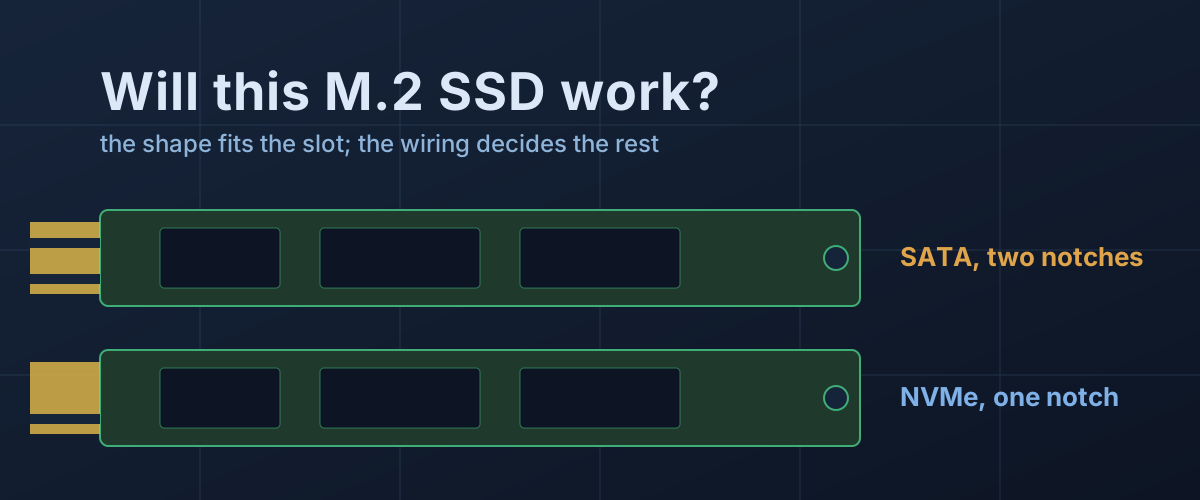
Two M.2 SSDs can be the same size and fit the same slot while only one of them works in it. How to read the keys, the size code and the slot's wiring.
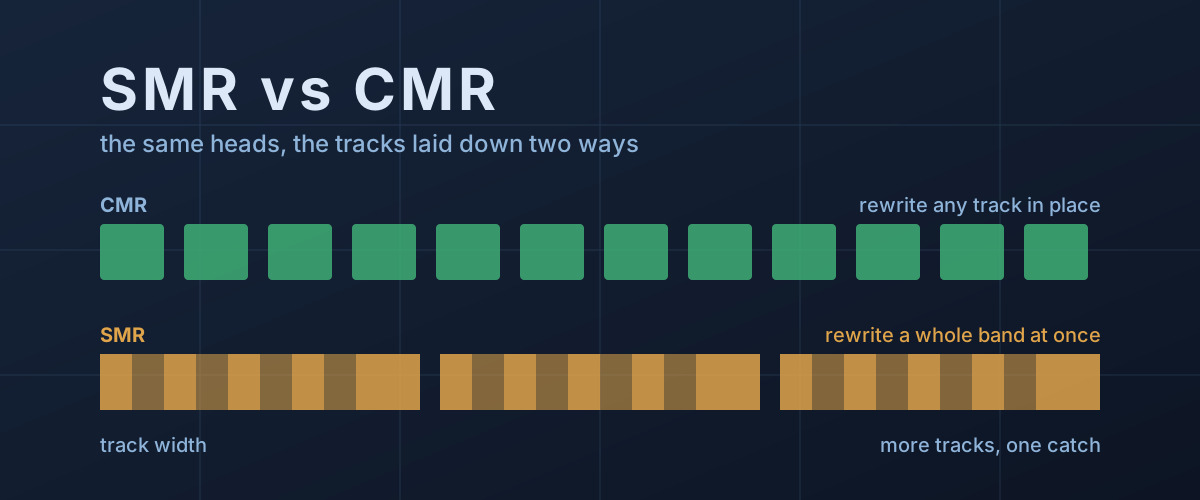
Two hard drives can match on capacity, speed and cache and still behave very differently under heavy writes. The difference is how the tracks are laid down.
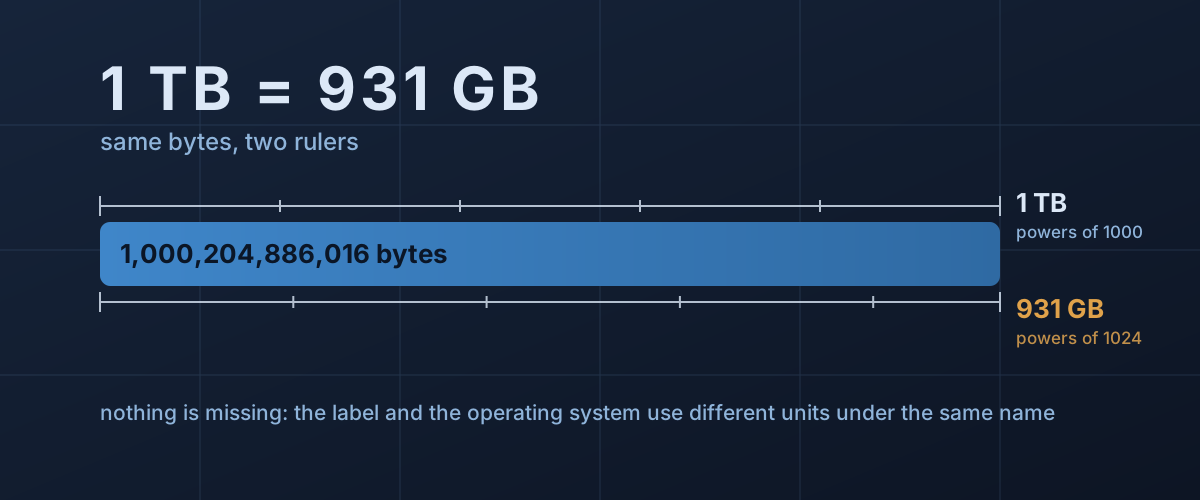
A new 1TB drive shows 931GB in Windows and something else on a Mac. Nothing is missing. Here is the arithmetic, and how to spot a gap it doesn't explain.
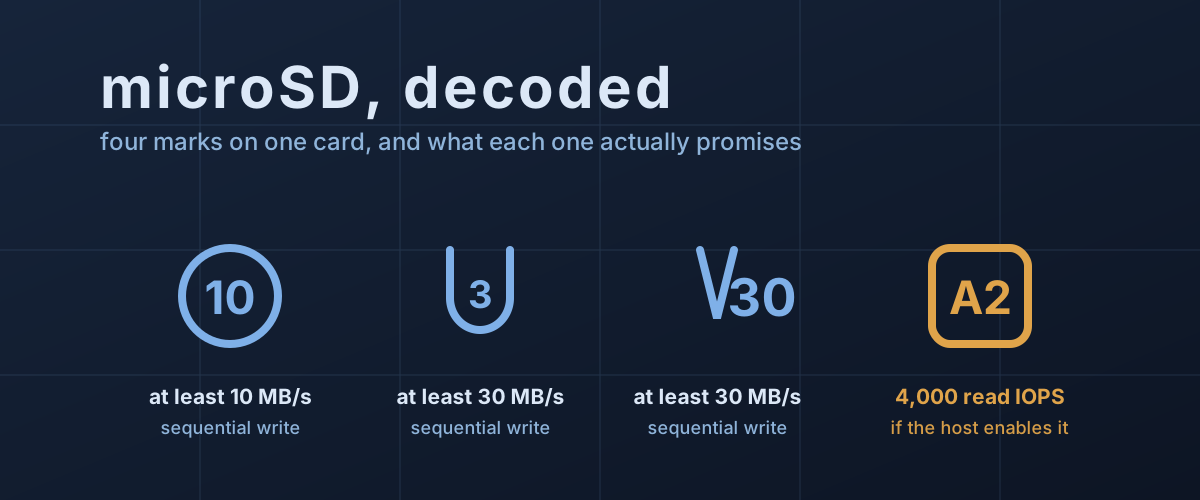
C10, U3, V30, A2 and a big number on the front. Three of those say the same thing, one is a ceiling rather than a floor, and one needs your device's permission.
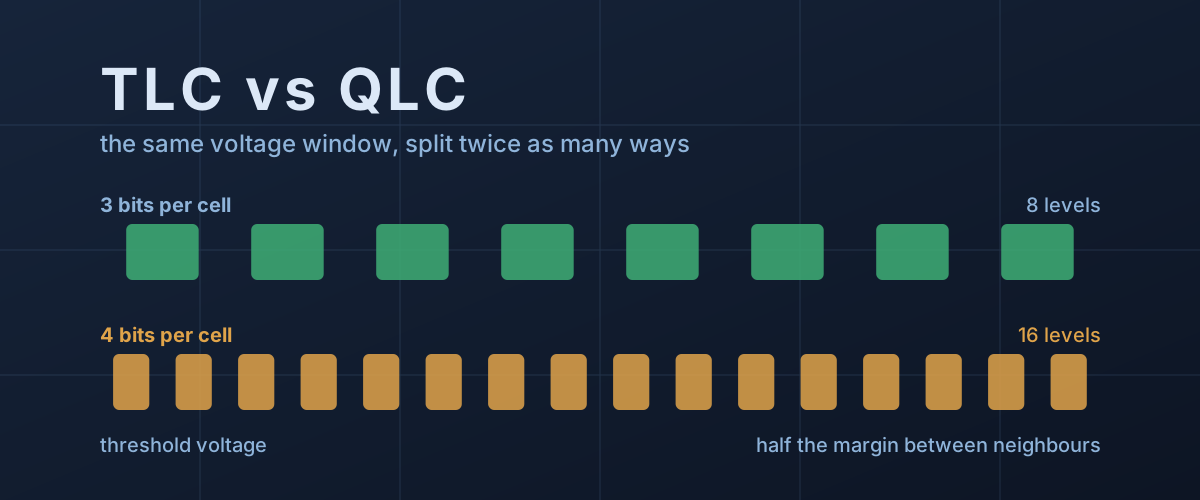
Two drives, same capacity, same headline write speed, different flash. What changes is sustained write, cold-read speed, and what the datasheet omits.
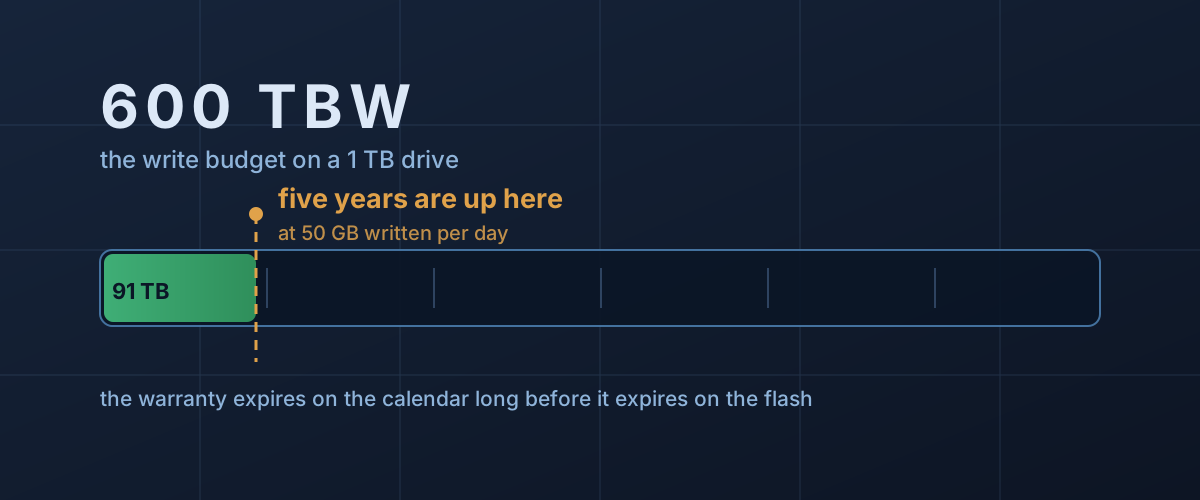
Every SSD lists an endurance rating in terabytes written. It is a warranty boundary derived from a lab workload, not a prediction of when the drive dies.
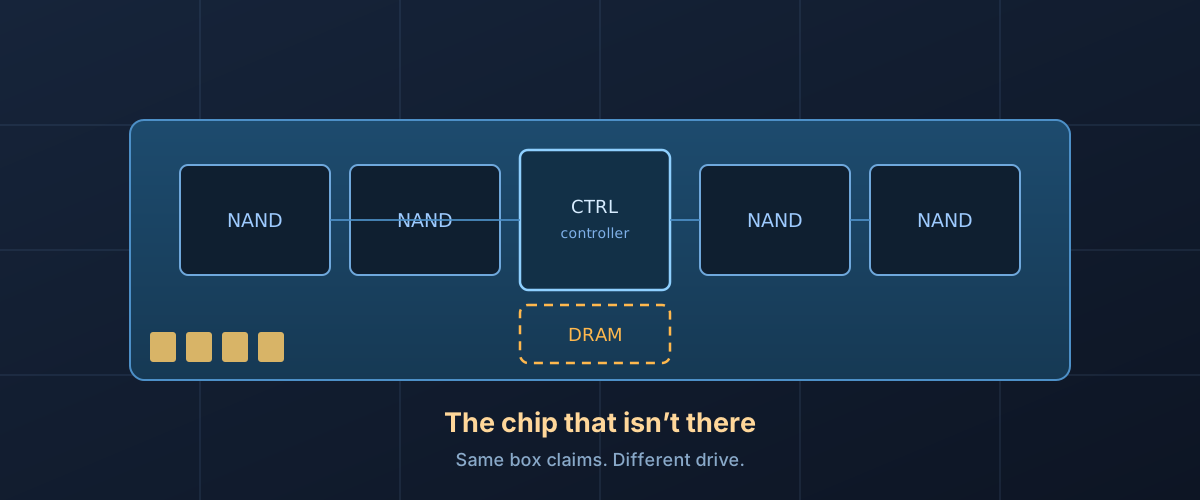
DRAM-less SSDs look identical on the box and cost less. Here is what the missing chip actually changes about how the drive behaves.
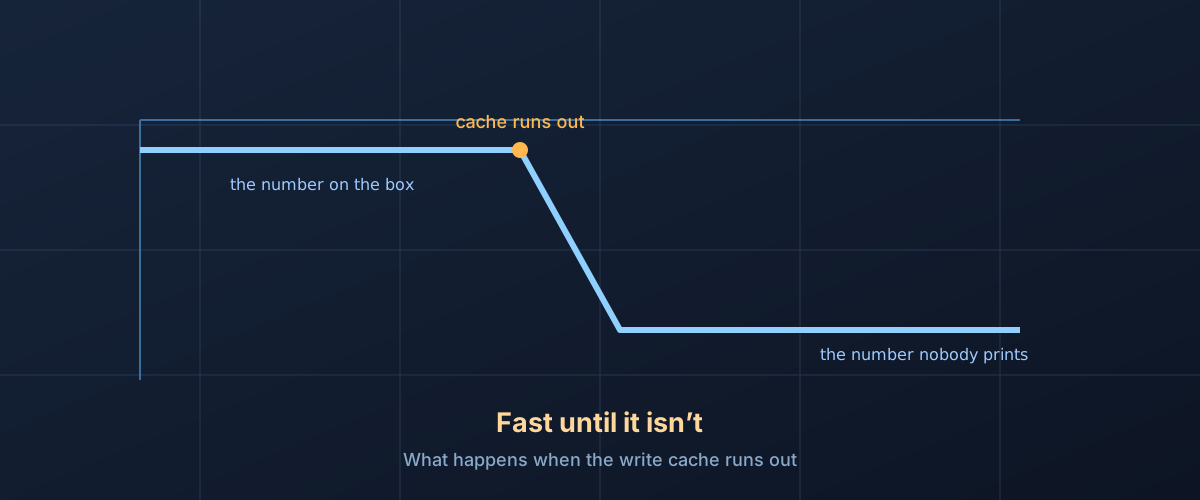
The write speed on the box is a cache speed, not a sustained one. Here's what determines how long it lasts, and why a fuller drive runs out sooner.